

Reliable Material Sourcing Supports Manufacturing Efficiency and Long-Term Business Growth
Modern manufacturing is a demanding business, and even small purchasing decisions can influence what happens on the production floor. Companies working with specialized metals need materials that meet their technical requirements, arrive on schedule, and perform consistently under challenging conditions. Molybdenum is particularly valuable in applications involving high temperatures, demanding mechanical environments, and the production of certain metal alloys. As industrial requirements become more complex, businesses are paying closer attention to their material sources. For manufacturers considering Stelbridge International molybdenum supply, the priority is finding a sourcing arrangement that supports consistent product quality and practical purchasing needs. A suitable supplier relationship can make everyday operations more manageable while helping businesses prepare for future production demands.
One of the biggest concerns for industrial buyers is obtaining materials with the appropriate characteristics for their intended applications. Molybdenum is available in different forms and grades, and selecting the wrong product can create unnecessary manufacturing complications. Depending on the application, buyers may need to consider purity levels, physical dimensions, chemical composition, and other technical specifications. Access to clear product information makes these decisions considerably easier. Purchasing departments can compare available materials with their actual manufacturing requirements rather than relying on general descriptions. This attention to detail helps companies avoid unsuitable purchases, maintain consistent production standards, and reduce the possibility of material-related problems affecting finished products.
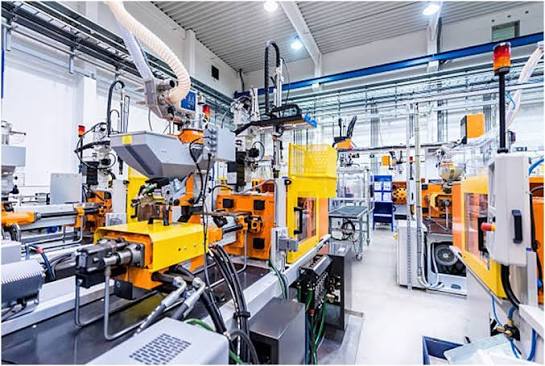
Reliable material availability is another important reason companies value their supplier relationships. Manufacturing schedules are organized around equipment availability, employee responsibilities, and customer delivery commitments. When essential materials arrive later than expected, the consequences can extend beyond the purchasing department. Production activities may need rearranging, equipment could remain unused, and customers might experience delays. Establishing clear purchasing arrangements helps businesses prepare for these situations. Suppliers who provide realistic lead times, accurate availability information, and timely communication allow manufacturers to organize their requirements more effectively. Although unexpected disruptions cannot always be prevented, dependable sourcing practices can make their consequences easier to manage.
As industrial companies expand, their purchasing requirements often become more demanding. A business that initially needs small quantities of molybdenum may eventually require larger orders, different material specifications, or more frequent deliveries. New projects can also introduce unfamiliar technical requirements that complicate purchasing decisions. Developing a relationship with a knowledgeable supplier allows manufacturers to discuss these changing needs and explore suitable ordering arrangements. Clear communication about available material forms, quantities, and technical documentation helps purchasing teams prepare for upcoming projects. Rather than searching for a new source whenever requirements change, businesses can evaluate whether an existing supplier relationship offers the flexibility needed to support continued development.
Ultimately, industrial buyers want more than a convenient way to purchase raw materials. They need dependable information, suitable products, and purchasing arrangements that fit their operating requirements. Companies evaluating Stelbridge International molybdenum supply should consider material specifications, order options, quality documentation, and communication when determining whether the available services match their needs. Examining these practical details helps manufacturers make informed decisions and establish more predictable sourcing arrangements. A well-managed supplier relationship supports better production planning, reduces avoidable purchasing difficulties, and allows businesses to concentrate on delivering quality products to their customers. For manufacturers pursuing long-term growth, that kind of stability can make a meaningful difference in everyday operations.